A customer has received your invoice, intends to pay, but cannot find their bank card or has to call for your account details. That small delay can turn into days of chasing. Payment portal benefits start by removing that friction: customers have one clear, secure place to view what they owe and choose how to pay.
For independent businesses, a payment portal is not simply an online checkout page. Used well, it can help you collect payments sooner, reduce routine administration, and give customers a more convenient experience. The right setup depends on how you trade, whether you invoice regularly, take deposits, accept bookings, or need to manage several payment methods.
What is a payment portal?
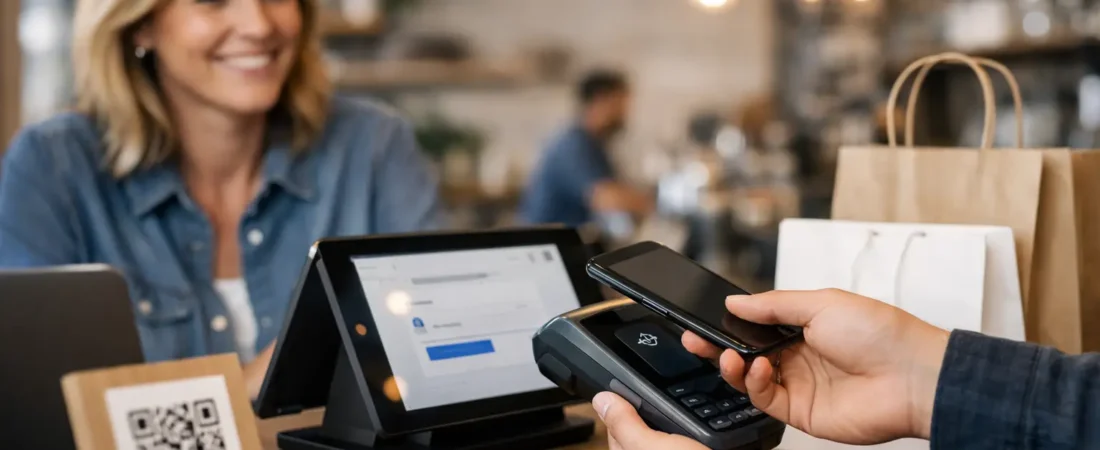
A payment portal is an online page where a customer can make a payment. Depending on the provider and your setup, it may be accessed through an invoice, payment link, QR code, website button, or booking confirmation.
For example, a tradesperson might send a payment link with a completed-job invoice. A salon may use a portal to collect a deposit when a client books. A guest house could request a balance payment before arrival. Instead of exchanging card details by phone or asking customers to make a bank transfer, the customer follows a simple prompt and pays at a time that suits them.
The portal should fit into your existing way of working. A business that sends two invoices a month has different needs from a busy catering company handling deposits and final balances for multiple events each week.
Payment portal benefits that matter day to day
1. Faster payment and healthier cash flow
The most immediate benefit is making it easier for people to pay when the invoice is fresh in their mind. A payment link included in an invoice removes several steps. The customer does not need to copy bank details, type a reference, or wait until they are back at a computer.
This does not mean every invoice will be paid instantly. Customers may still have their own approval processes or cash flow pressures. But a clear, convenient route to payment reduces avoidable delay. For a small business, being paid a few days earlier can make a real difference to stock purchases, wages, and everyday planning.
2. Less time spent chasing and reconciling
Manual payment administration adds up. You may be checking your bank account, matching references to invoices, sending reminder emails, and answering questions about where to pay. A payment portal can bring much of this activity into one place.
When payments are linked to a specific invoice or customer, it is easier to see what has been paid and what remains outstanding. That means less guesswork at the end of the week and fewer awkward follow-up messages. It also gives owners a clearer picture of money due without building a complicated spreadsheet.
The value is not just saving minutes. It is allowing you or your staff to focus on customers, jobs, stock, and service rather than repetitive admin.
3. More ways for customers to pay
People have different payment preferences. Some want to use a debit or credit card. Others are comfortable with digital wallets. Many simply want to tap a link on their phone and complete the payment without logging into online banking.
Offering appropriate options can improve the customer experience, particularly for deposits, remote payments, and invoices sent outside regular opening hours. It is also useful when the person paying is not physically present, such as a company paying for an employee’s repair or a family member settling a hotel booking.
Choice should remain sensible. There is little benefit in adding every available method if it creates confusion or additional cost. Focus on the options your customers are most likely to use and make the payment page clear.
4. A more professional customer journey
An invoice with a clear payment button or link feels more organized than an email asking a customer to call with card details. It tells them exactly what action to take and helps avoid errors in payment references or amounts.
This is particularly helpful for businesses that rely on trust. A florist collecting payment for a delivery, a builder requesting a stage payment, or a local hotel taking a booking balance all need the process to feel straightforward and credible. A branded, clearly labeled payment request can support that experience.
Keep the wording practical. State what the payment is for, the amount due, and any relevant due date. Customers should not have to guess whether they are paying a deposit, an outstanding balance, or the full amount.
5. Easier deposits and advance payments
Deposits protect valuable appointment slots, event dates, special orders, and accommodation bookings. They can also help your business plan ahead with greater confidence. A payment portal gives customers a quick way to pay a deposit as soon as they agree to proceed.
For a restaurant taking a large group reservation, a deposit link can reduce no-shows. For a salon, it can confirm a longer appointment that would otherwise be difficult to refill at short notice. For trades, an advance payment may help cover materials before work begins.
The key is to communicate your terms clearly before requesting payment. Explain the amount, what it secures, and how it will be handled if plans change. If you are unsure about the wording of your terms, seek appropriate professional advice.
6. Better records for customer conversations
Disputes are often not about unwillingness to pay. They arise because a customer cannot remember what they were charged for, believes they have already paid, or has missed an earlier message. A portal connected to itemized invoices and payment confirmations creates a clearer record for both sides.
If a customer calls, you can quickly check the payment status and resend the request if necessary. This is calmer and more professional than searching old emails or asking them to repeat bank-transfer details. It can also be useful for repeat customers who want a simple, consistent process.
7. Payments outside business hours
A card terminal is essential when the customer is in front of you. A payment portal extends your ability to take payment beyond the counter, shop floor, or van. Customers can settle an invoice in the evening, pay a deposit over the weekend, or respond to a booking request when they have a spare moment.
That flexibility is valuable for businesses with busy daytime operations. A cafe owner may send catering invoices after closing. A plumber may complete paperwork after a day on site. A payment link lets the customer act without needing a further phone call or visit.
8. A useful complement to your POS system
Online payment tools work particularly well alongside in-person card payments and an EPOS system. Your card terminal handles the quick sale at the counter. Your payment portal handles invoices, remote deposits, outstanding balances, and payment requests.
Bringing these tools together can reduce the number of separate systems you use. However, integration is worth checking carefully. Ask whether payments update automatically, how refunds are handled, what reporting is available, and whether fees differ between in-person and online transactions. A solution that looks simple at first can create extra work if it does not match your existing process.
How to get the value from a payment portal
A payment portal only helps if customers know how and when to use it. Start by identifying the payments that currently create the most admin. This may be invoice chasing, booking deposits, phone payments, or bank transfers with unclear references.
Then make payment requests specific. Use descriptions such as “50% booking deposit,” “invoice balance,” or “payment for completed work.” Include the due date where relevant, and send the request promptly. The longer you wait after completing work or confirming a booking, the less likely payment is to be at the front of the customer’s mind.
It is also worth reviewing the cost, rather than looking only at the headline transaction rate. Consider your average payment value, how often you send invoices, whether you need payment links or QR codes, and how the portal works with your accounting or POS process. The lowest advertised rate is not always the most economical choice once time, administration, and customer convenience are considered.
Is a payment portal right for your business?
If most of your sales happen face to face and customers pay immediately, a payment portal may be a useful extra rather than a priority. If you regularly invoice, collect deposits, take bookings, or work away from a fixed counter, it can become a practical part of your daily operation.
The aim is not to add technology for its own sake. It is to give customers an easier way to pay while giving you better control over outstanding money and less administrative work.
If you run an independent business in Dorset or the wider South West and are unsure whether a payment portal, card terminal, or EPOS setup fits your needs, Richard Bradley can provide a free, no-obligation review of your current payment process. A short conversation can help identify where payment delays, fees, or manual tasks are costing you time.

Let’s Talk About Your Business
Hi, I’m Richard Bradley, your local SumUp Business Partner .
I help independent businesses across Dorset reduce card payment costs, choose the right card machines and EPOS systems, and receive honest, local advice.
Questions about this article? Looking to reduce your card payment costs? Book your free, no-obligation payment review today.
✓ Local Dorset Business Partner ✓ Free Payment Review ✓ No Obligation
Book Your Free Payment Review