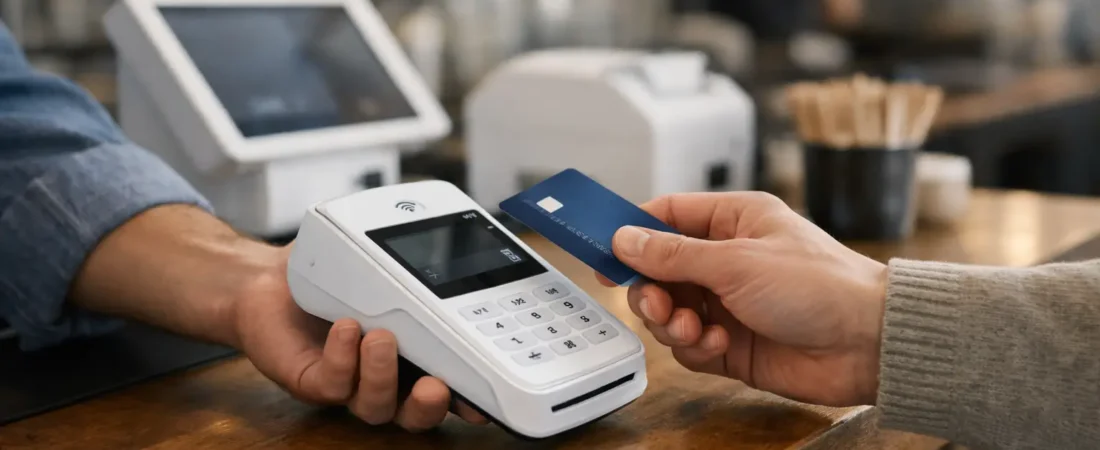
The lunchtime queue is building, a customer is waiting to pay, and the terminal loses connection or takes too long to complete the transaction. Small moments like this affect more than one sale. They put pressure on staff, disrupt service, and can leave customers with the wrong final impression. Choosing the right card machine provider is therefore not simply about accepting cards. It is about making everyday trading easier.
For an independent café, shop, salon, pub, guest house, or service business, the right setup should suit how you actually work. A portable terminal may be enough for one business, while another needs payments linked to an EPOS system, table service, stock control, and clearer reporting. The aim is not to add technology for its own sake. It is to remove avoidable work.
What a card machine provider should help you achieve
A payment terminal needs to be reliable and straightforward for customers to use. However, the broader value often comes from what happens around the payment itself. Can staff take payment wherever the customer is? Does the sale appear correctly in your reports? Can you see what has been paid out and when? Are refunds and end-of-day checks simple to manage?
A suitable provider should help you answer those questions before recommending equipment. The lowest headline price is not always the lowest-cost option in practice. If a system creates duplicate entry, makes staff training difficult, or leaves you without support when something changes, it can cost time every week.
For many businesses, a modern card payment setup can support faster checkout, fewer keying errors, and a clearer view of daily takings. Where eligible, same-day payouts, including weekends and bank holidays, can also make cash-flow planning more predictable. This is especially useful for businesses with regular stock purchases, payroll commitments, or seasonal fluctuations.
Choose a card machine provider based on how you trade
Start with the customer journey rather than the hardware. A counter-service bakery has different needs from a restaurant with table service. A mobile beauty therapist or tradesperson may need a compact terminal that can travel with them, while a busy farm shop may benefit from a fixed checkout with integrated inventory and product reporting.
Think about where payment takes place. If customers pay at a single counter, a countertop device may be appropriate. If staff move between tables, treatment rooms, hotel reception areas, or outdoor seating, portable terminals can reduce queues and avoid customers having to return to a till point.
Then consider how many people use the system. A one-person business may value simplicity above all else. A pub or restaurant with several staff members may need different user permissions, handheld ordering, kitchen printers or displays, and a simple way to manage tables during a busy shift.
There is no single setup that suits every business. The useful question is: where are delays, errors, or repeated admin tasks happening now? The answer usually points to the features worth paying for.
Payments only or an integrated EPOS setup?
A standalone card machine can be a sensible choice when you only need to take payments quickly and reliably. It is often a practical starting point for market traders, mobile services, small guest houses, and businesses with a simple checkout process.
An integrated EPOS setup becomes more valuable when staff are entering sales manually into one system and taking payment through another. Connecting the sale and payment can reduce manual-entry errors and make reconciliation easier. Instead of comparing card receipts, cash, and till records at the end of the day, you have one clearer picture of sales activity.
For hospitality businesses, an EPOS system may also support table plans, split bills, modifiers, service charges, kitchen routing, and handheld ordering. For retailers, it can help with product lists, stock levels, sales trends, barcode scanning, and identifying which lines are performing well.
The trade-off is that more capable systems need thoughtful setup and staff training. A long feature list is not useful if it makes the daily routine harder. Choose the functions that solve genuine operational problems, then build from there as the business grows.
Costs to compare with a card machine provider
Payment pricing should be clear enough to understand without a spreadsheet. When comparing a card machine provider, look beyond the cost of the terminal itself and ask how the full arrangement works for your typical transactions.
Consider the card processing rate, whether there are monthly software or service charges, the cost of additional devices, and any charges for optional EPOS features. It is also worth asking about payout timing, refunds, chargebacks, replacement devices, and whether the arrangement is flexible if your needs change.
A business processing many small transactions may focus closely on transaction pricing. A restaurant may place greater value on reducing mistakes at the table and speeding up service. A salon may prioritize deposits, payment links, customer records, and repeat visits. The right value calculation depends on the business model.
Do not overlook the cost of admin. If a system saves an owner 20 minutes of end-of-day reconciliation, makes it easier to check sales from home, or helps staff handle a rush more confidently, that has practical value even if it does not appear as a line on an invoice.
Features that make a practical difference
Modern payment systems can do much more than process contactless transactions. The key is choosing features that staff will genuinely use.
Payment links can be useful for taking deposits, settling invoices remotely, or collecting payment from customers who are not physically present. QR payments can help in certain settings, such as table ordering or quick-service environments. Customer loyalty tools can encourage repeat visits when they are simple for both customers and staff.
Reporting is another area where the right system can save time. A clear view of sales by day, product, employee, or payment type helps owners spot patterns without spending evenings working through paper receipts. Accountancy integration may also reduce the amount of manual preparation needed before sharing records with your accountant, although you should seek professional advice on your own accounting and tax requirements.
For a growing business, it is helpful to choose a system that can add features without forcing a complete replacement. You may begin with one terminal, then later add a second checkout, a kitchen printer, or handheld devices as demand changes.
Local setup and support matter
Equipment is only one part of the decision. Installation, configuration, and staff confidence can determine whether a new payment or EPOS system actually improves the working day.
A local consultant can take time to understand the current process before suggesting a setup. That might include looking at how orders are taken, where queues form, how refunds are handled, how stock is recorded, and what reports the owner needs. A demonstration on site can also help staff see what will change before committing to a new way of working.
For businesses across Dorset, face-to-face installation and training can be particularly helpful when moving from an older till or separate card terminal to an integrated system. It gives the team an opportunity to ask practical questions, run through real transactions, and start with settings that reflect the business rather than a generic template.
Ongoing support matters too. Menus change, staff join, new products are added, and seasonal service patterns can create different demands. Having someone who understands the original setup can make those adjustments much easier.
Questions to ask before you decide
Before selecting a card machine provider, ask whether the setup matches your busiest trading periods, not just a quiet weekday morning. Check how it works if the internet connection is weak, whether it supports the payment methods your customers expect, and how quickly your team can complete a sale.
Also ask what information you will see after the payment has been taken. Useful reports should help you make decisions, not create another task. If you need stock control, table management, customer loyalty, or remote payments, confirm that these functions work together in a way that makes sense for your business.
Finally, consider the support available after installation. A good supplier should be able to explain the options in plain language and recommend an appropriate level of equipment, rather than pushing functions you are unlikely to use.
If you are reviewing your current terminal, concerned about payment costs, or considering an EPOS upgrade, Richard Bradley at Dorset Business Hub can provide a friendly, no-obligation discussion about your setup. Contact Richard on 07377 625228 or use the Dorset Business Hub contact page to arrange a review. The most useful payment system is the one that helps your staff serve customers well and gives you more time to run the business.

Let’s Talk About Your Business
Hi, I’m Richard Bradley, your local SumUp Business Partner .
I help independent businesses across Dorset reduce card payment costs, choose the right card machines and EPOS systems, and receive honest, local advice.
Questions about this article? Looking to reduce your card payment costs? Book your free, no-obligation payment review today.
✓ Local Dorset Business Partner ✓ Free Payment Review ✓ No Obligation
Book Your Free Payment Review