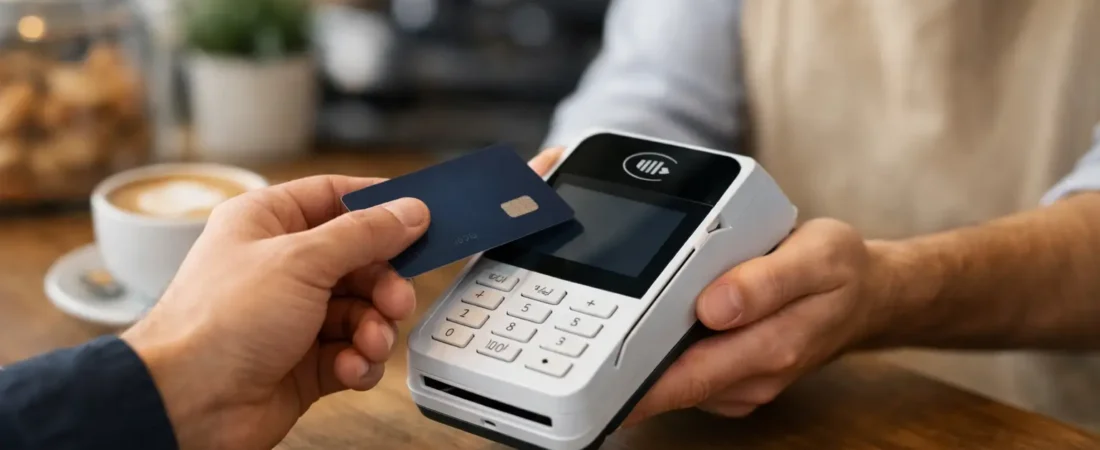
A busy Saturday service can expose the weaknesses in a payment setup very quickly. A terminal loses signal, staff have to key orders in twice, or takings take longer than expected to reach the bank. At that point, is it worth switching card payment providers? Often, it can be – but only when the new setup solves a real operational problem rather than simply offering a slightly different headline rate.
For an independent cafe, pub, salon, shop, or guest house, card payments are part of the daily routine. The right provider should make it easier to take payment, understand sales, manage cash flow, and keep customers moving. The wrong change can create disruption, staff confusion, and costs that were not obvious at the start.
Is it worth switching card payment providers for your business?
The answer depends on what is not working now. If your current provider is reliable, pricing is clear, funds arrive when you need them, and your payment process suits the way you trade, there may be little reason to move.
However, a review is sensible when fees have become difficult to understand, your contract no longer fits your turnover, or your equipment creates delays at the counter. It is also worth looking again if you are still running card payments separately from your till, stock records, bookings, or accounting process. What looks like a small inconvenience can add up to lost time every day.
The goal is not to change provider for the sake of it. It is to decide whether a different payment and EPOS setup would leave you with lower overall costs, simpler administration, or a better customer experience.
Start with the cost of your current arrangement
Processing rates matter, especially for businesses with steady card turnover. Yet the percentage shown on a statement is only one part of the cost. Review the full monthly picture, including terminal rental, PCI-related charges where applicable, minimum monthly fees, separate business account costs, refunds, chargebacks, and any contract exit charges.
Also look at how easy those charges are to follow. A straightforward price can be more useful than a complicated tariff that makes it hard to predict what you will pay. For a seasonal business on the Dorset coast, for example, a fixed monthly commitment may feel very different in January than it does in August.
Do not judge a switch on rate alone. Saving a small amount on each transaction may be outweighed by slower payouts, poor support, or equipment that does not fit your counter and service style. Compare the total cost against the time and friction the system creates.
Check how quickly you receive your money
Cash flow is another practical reason businesses consider a change. Ask when settled card payments become available and whether that schedule includes weekends and bank holidays. If you pay staff, suppliers, or regular bills from daily takings, the timing can matter as much as the transaction fee.
Same-day payouts, including weekends and bank holidays where available, can give owners a clearer view of money coming in. That does not replace careful cash-flow planning, but it can reduce the uncertainty of waiting several days after a busy trading period.
Look beyond the card terminal
A standalone terminal may be all a mobile trade business needs. For a plumber, florist making deliveries, or market trader, portability, battery life, connection options, and simple payment links may be the priority.
For a restaurant, cafe, or busy retail store, payments are usually only one part of the process. Staff may take an order, send it to the kitchen, split a bill, apply a discount, check stock, and close the day’s takings. If each task happens in a separate system, mistakes and duplicate entry become more likely.
An integrated EPOS system can connect the sale to the payment automatically. This can help reduce manual-entry errors, speed up service, and make reporting more useful. Handheld ordering can be useful for table service, while kitchen displays and printers can help the team manage orders during a rush. Retailers may place more value on stock control, barcode scanning, and a clearer view of what is selling.
The appropriate setup depends on how your business actually works. A feature is only valuable if staff will use it and it removes a genuine bottleneck.
Is it worth switching card payment providers when service is slow?
It may be. Customers expect card payments to be quick and uncomplicated, whether they are buying a coffee, paying a hotel bill, or settling a table after dinner. Slow terminals, unreliable connections, and awkward bill splitting can make a business feel less organized than it is.
Before changing, identify the specific point where service slows down. Is it the card terminal itself? Is Wi-Fi coverage poor in part of the building? Are staff entering the same amount into the till and terminal? Or does the issue come from an outdated POS process rather than the payment provider?
This distinction matters because changing providers will not fix every problem. A good review considers the full journey from taking an order to receiving payment and reporting the sale. In some cases, a better-configured terminal is enough. In others, integrated payments and EPOS will have a much larger effect.
Consider your customers as well as your team
A payment setup should suit the people paying you. Contactless cards and mobile wallets are now routine, but there are other useful options depending on the business. Payment links can help service businesses take deposits or settle invoices remotely. QR payments can be practical in certain settings. Loyalty tools may encourage repeat visits for cafes, salons, and local retailers when used thoughtfully.
These options should support the experience rather than complicate it. A guest house may want a simple way to take a booking payment before arrival. A pub may need fast countertop transactions at peak times. A restaurant with table service may benefit from staff taking orders and payment at the table.
Ask staff what causes frustration too. They know where queues build, where mistakes occur, and which tasks take longer than they should. Their input can prevent you from choosing a system that looks good in a demonstration but does not work on a busy shift.
Plan the switch before you commit
If a move looks worthwhile, check the practical details before canceling anything. Confirm whether you are tied into a notice period or equipment agreement. Export any reports, customer information, product lists, or stock data that you need to retain. If you use integrations with accounting software, online ordering, bookings, or loyalty, establish what will transfer and what needs to be set up again.
Timing is important. Avoid changing a core payment system immediately before a bank holiday weekend, major event, or your busiest seasonal period. Give yourself time to test equipment, set up products and taxes correctly, train staff, and run through common situations such as refunds, split payments, tips, and end-of-day reporting.
A local installation and training visit can be particularly helpful when the system includes EPOS as well as card payments. It gives your team an opportunity to ask questions in the actual working environment, rather than trying to learn everything from a generic instruction sheet.
Use a simple decision test
When deciding is it worth switching card payment providers?, put the proposed change against four questions. Will it reduce your total costs or make them more predictable? Will it save staff time or reduce mistakes? Will it improve the customer payment experience? Will it give you better visibility of sales and cash flow?
If the answer is yes to several of these, a switch may have a sound business case. If the only benefit is a tiny rate difference and the change creates extra work, staying put may be the better decision.
It is also reasonable to keep what you have while reviewing alternatives. A short, no-pressure assessment can clarify whether your current setup is still suitable and identify improvements you can make without replacing everything.
If you run an independent business in Dorset or the wider South West, Richard Bradley at Dorset Business Hub can review your existing card payment or EPOS setup, explain the practical options, and recommend an appropriate next step. For a friendly, no-obligation discussion, call 07377 625228 or use the Dorset Business Hub contact page. The useful outcome is not simply a new terminal – it is a payment process that makes everyday trading easier.

Let’s Talk About Your Business
Hi, I’m Richard Bradley, your local SumUp Business Partner .
I help independent businesses across Dorset reduce card payment costs, choose the right card machines and EPOS systems, and receive honest, local advice.
Questions about this article? Looking to reduce your card payment costs? Book your free, no-obligation payment review today.
✓ Local Dorset Business Partner ✓ Free Payment Review ✓ No Obligation
Book Your Free Payment Review